
The HOA bylaws play a critical role in an association’s operations and procedures. Every board member must understand what the bylaws contain and how they differ from other governing documents. Following the bylaws is equally important.
What are HOA Bylaws?
Homeowners association bylaws govern the community’s internal operations. They outline how to run and manage the association, along with any procedural or administrative requirements.
In an HOA or condo association, the bylaws are part of the governing documents. Board members generally can adopt and amend the bylaws as allowed by state law.
What’s the Difference Between HOA Bylaws vs CCRs?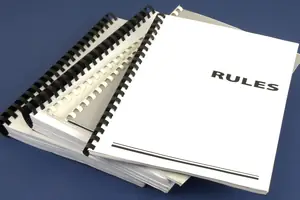
HOA bylaws focus on an association’s internal operations and governance, while CC&Rs focus on community standards.
Here’s a deeper dive into HOA bylaws vs covenants.
Primary Purpose
The CC&Rs dictate what owners can and can’t do with their property. They tackle architectural guidelines, paint colors, fence heights, pet limits, landscaping, dues, and more.
On the other hand, HOA bylaws outline how the association must be run. These address board elections, officer duties, meeting schedules, voting quorums, and terms, among other things.
Amendment Process
While both the CC&Rs and bylaws require voting thresholds, amending the former is generally more difficult. State laws and the association’s governing documents should spell out how to amend the bylaws.
In Virginia, for example, amending the CC&Rs requires a two-thirds vote unless the CC&Rs themselves say otherwise (Section 55.1-1829). The law doesn’t set a voting threshold for amending the bylaws and instead refers associations to their bylaws.
Additionally, associations must typically record an amendment to the CC&Rs with the county.
Role in the Hierarchy
The CC&Rs sit higher in the hierarchy of governing documents. If a CC&R provision conflicts with a bylaw provision, the former takes precedence.
What’s the Difference Between HOA Bylaws vs Rules?
HOA bylaws govern an association’s internal operations, while operating rules govern day-to-day resident conduct.
Here’s a deeper dive into the differences.
Primary Purpose
The HOA bylaws serve as a guidebook for an association’s operations and governance. They dictate how the board functions, including elections, officer roles, meeting requirements, voting procedures, and quorum thresholds.
On the other hand, rules and regulations address daily community standards. They expound on the CC&Rs. Specific topics can include pool hours, parking restrictions, pet policies, and more.
Amendment Process
Amending the bylaws is harder than amending the rules and regulations. To amend the bylaws, associations must typically hold a membership vote. Depending on the governing documents, passing an amendment may need majority approval.
In comparison, amending the rules usually requires only a board resolution. This means homeowners don’t vote, only board members. Of course, the board may still seek resident input. Some communities also impose a review period (generally 30 days) after amending a rule.
Role in the Hierarchy
Rules and regulations sit at the bottom of the governing documents hierarchy. This means that all other documents take precedence over the operating rules, including the bylaws.
What Do the HOA Bylaws Address?
While specific topics vary, an association’s bylaws generally cover the HOA board, officer roles and duties, meetings and voting, membership rights, committees, financial administration, and enforcement.
Let’s discuss these below.
1. Board of Directors
The bylaws can specify board size (number of directors), qualifications, election procedures, term limits, and how to remove or replace directors.
2. Officer Roles and Duties
The bylaws usually outline each officer’s responsibilities (president, VP, secretary, and treasurer). These typically include running meetings, recording minutes, managing finances, and related duties.
3. Meetings and Voting
The bylaws may specify how and when meetings must be held, including annual and board meetings. They may also address notice requirements, quorum rules, and voting methods.
4. Membership Rights
The bylaws can define homeowners’ voting rights, how the HOA tallies votes, and whether owners can influence certain decisions.
5. Committees
The bylaws may authorize committees, such as Architectural Review Committees and Finance Committees. They may also address how to appoint committee members and each committee’s specific duties.
6. Financial Administration
The bylaws can cover budget approval guidelines, dues collection procedures, reserve fund requirements, and financial reporting obligations. That said, the CC&Rs may also tackle these topics.
7. Noncompliance and Enforcement
The bylaws may establish how the board must handle rule violations, including notice requirements, hearing processes, fine schedules, and other steps. As with financial administration, the CC&Rs may also cover these subjects.
HOA Board Not Following Bylaws? What to Do
If an HOA board is in violation of the bylaws, owners must document and review the infraction, communicate with the board, use internal remedies, and remove problem directors, with legal action as a last resort.
Let’s discuss these below.
1. Document and Review
First, owners must review their bylaws to identify which rule (s) the board is violating. They must then gather evidence to support their claim, including emails, notices, minutes, financial statements, and board resolutions. Keep in mind that owners have a right to request copies of or inspect certain association records.
2. Communicate with the Board
It’s never a good idea to jump to legal remedies. Owners should first try to resolve the issue by approaching the board directly. They can attend a board meeting and raise their concerns during the open forum segment.
If attending a meeting isn’t possible, owners can send the board a formal letter. The letter must specify the exact clause in violation and request a written response. Send this letter via certified mail to create a paper trail.
If the HOA is professionally managed, owners may contact the management company instead.
3. Use Internal Remedies
Dispute resolution can effectively force compliance with the HOA bylaws. Many associations use internal processes, but alternatives include mediation and arbitration.
4. Remove and Elect
If the previous steps don’t work, owners can petition for a special meeting to remove the noncompliant director(s). State laws and the governing documents set out the requirements and procedures for removal or recall.
Passionate owners may also want to consider running for a board seat themselves. They can drive more meaningful change from a leadership position.
5. Escalate to Legal Action
As a last resort, owners can take legal action or report the HOA to a state agency. In Virginia, owners can file a complaint with the Office of the Common Interest Community Ombudsman. Keep in mind that lawsuits can be costly and time-consuming, and there’s no guarantee of winning.
Professional Help
The HOA bylaws dictate how operations and governance must flow. Board members must adhere to the bylaws, and violations can result in removal and increased legal exposure. Hiring an HOA management company can help ensure that the bylaws are followed to the letter.
Majerle Management, Inc. provides management services to HOAs and condo associations in Maryland. Call us today at (301) 220-1850 or contact us online to request a proposal!
RELATED ARTICLES:
- How To Request HOA Documents For Maryland HOAs
- Neighbor Violating HOA Rules: Why A Clear Process Matters
- A Breakdown Of HOA Fees: What’s Included And What’s Not?