
Homeowners associations and condominiums are no strangers to HOA complaints. In a community with conflicting viewpoints, large personalities, and differing backgrounds, complaints are a normal part of the equation. Yet, board members must understand how to approach and handle each complaint without increasing legal exposure.
What are the Most Common HOA Complaints?
The most common homeowner association complaints include selective enforcement, failure to adhere to governing documents, neglect of maintenance and repairs, failure to produce records, excessive dues or collections, unreasonable rules and penalties, poor communication or transparency, discrimination, harassment, or retaliation, overreaching aesthetic controls, and conflicts of interest.
Let’s break down each item below.
1. Selective Enforcement
When it comes to complaints against HOA communities, selective enforcement is often at the top. This happens when the board enforces the rules against some owners but not others, or when some rules are enforced but others are ignored.
That said, not all claims of selective enforcement have merit. Sometimes, owners mistake standard procedure for selective enforcement. They argue that they have not broken the rules or that others have broken the same rule but received no penalty.
To avoid even the appearance of inconsistent enforcement, boards should follow a formal enforcement policy. This usually begins with an investigation of the alleged violation, followed by written notice and an opportunity to be heard.
2. Failure to Adhere to Governing Documents
The CC&Rs and bylaws set forth the requirements, obligations, and procedures that the HOA board must follow. Straying from these documents can invalidate decisions, destroy trust, and call the board’s authority into question.
For example, some bylaws require a quorum of directors for a board meeting to proceed. If not enough board members attend, any decisions made during the meeting are deemed void.
In a recent survey in South Carolina, this complaint ranks highest. To avoid similar complaints, boards must have a clear understanding of their governing documents. In doing so, they can ensure compliance.
3. Neglect of Maintenance and Repairs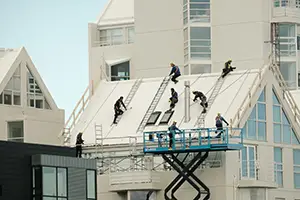
Associations have a duty to maintain or repair the common areas or elements of the community. Consistently deferring maintenance or ignoring necessary repairs can lead to HOA complaints. Homeowners may allege that the board breached its fiduciary duty to the association.
To avoid this complaint, boards must always allocate funds and hire vendors for maintenance and repairs. It is also imperative to set aside money for capital repairs or replacements in the form of reserves. When funds are short, maintenance may be deferred, but only for a short period.
4. Failure to Produce Records
In Virginia, Maryland, and DC, owners have a right to inspect the association’s records. When the board ignores a valid records request, it is in outright conflict with state laws. Owners may take legal action against the HOA or file a complaint with a state agency.
To avoid this, associations must review each records request carefully. If the request is valid, the board must supply the records for examination. Remember that owners are stakeholders in the association, and they have every right to know what’s going on in their community.
5. Excessive Dues or Collections
Associations collect regular dues, special assessments, and fines for violations. When these fees increase or are significant, owners are likely to file a complaint. The same goes for when they believe the collection actions, such as liens and foreclosure, are unjustified.
To avoid such HOA complaints, the board should clearly explain to owners why dues are rising or why special assessments are necessary. Sometimes, it all comes down to misunderstandings. Owners are more likely to pay their share if they know the reason behind the charge.
Additionally, associations must always follow their established collection policy. If this policy requires the board to take less extreme actions first, such as late fees or collection agencies, then jumping straight to foreclosure would be in breach.
6. Unreasonable Rules and Penalties
Rules exist to maintain order and high standards. They have a direct impact on curb appeal and property values. Yet, some rules may be unreasonable or excessive in the eyes of owners. Others may be too minor to warrant large fines. This can lead to complaints against the HOA.
To avoid these claims, boards should revisit their rules and identify areas for improvement. Perhaps a swift towing policy may be too strict, or a fine for a simple trash violation is exorbitant. Moreover, the board must always follow its enforcement procedures.
7. Poor Communication or Transparency
Residents often complain that boards lack clear communication and transparency, especially regarding notices, finances, and general concerns. When owners are left in the dark, their natural response is to take it out on the board or management.
To avoid this, boards must practice open communication. Notices about meetings, rule changes, or fee increases must be distributed within the correct timeframe. Questions must also be answered promptly. A simple acknowledgment can help owners feel heard, even when a resolution isn’t immediately available.
8. Discrimination, Harassment, or Retaliation
When boards overstep their authority, residents are certain to complain. Common concerns include discrimination, harassment, retaliation, and intimidation. Any of these can increase the association’s legal exposure.
To avoid problems, the board must always maintain professionalism. Treat everyone equally and fairly, without personal bias or judgment. If a resident acts out or challenges the board’s decisions, threats, retaliation, or bullying are never the answer.
9. Overreaching Aesthetic Controls
Many associations have rules concerning architectural changes, landscaping, and holiday decorations. While these rules are normal, some owners view them as too restrictive or controlling of their private property.
To avoid such complaints, boards must educate residents on the purpose of these rules. They help maintain a consistent appearance throughout the neighborhood, which directly impacts curb appeal and property values. Of course, it’s also required to enforce these aesthetic standards fairly and consistently.
10. Conflicts of Interest
Some owners may complain of a board member’s self-dealing or resulting financial gain after hiring a connected vendor. Whether they’re perceived or actual, conflicts of interest can drive a rift between the owners and the association’s leadership.
The best way to avoid such complaints is to disclose conflicts of interest and recuse the conflicted board member from the vote. This way, they have no direct influence over the outcome.
How Should the Board Handle HOA Complaints?
When there is a complaint against homeowners association, the board should follow proper procedure, which usually involves receiving and documenting the complaint, determining jurisdiction, reviewing the governing documents, investigating the complaint, responding to the complaint, documenting the resolution, and escalating to legal counsel when needed.
Let’s discuss each step below.
1. Receive and Document the Complaint
When owners file a complaint against the HOA, the first step is to acknowledge receipt and record it. This tells the owner that the board is aware of the complaint and has filed it for documentation.
2. Determine HOA Jurisdiction
The next step is to determine if the complaint falls under the HOA’s control. If it does, the board should investigate the complaint and seek a resolution. If the complaint isn’t under the HOA’s jurisdiction, the board should refer the owner to the right agency.
A recent survey in South Carolina found that 98% of those who filed a complaint first did so with their HOA board or management company before escalating to a higher authority. This shows that most owners voice their concerns internally first, taking further action only when the HOA fails to act. Boards must do their best to address the complaint in-house to avoid more complicated legal issues.
3. Review Governing Documents
After that, board members must check their governing documents for guidance. Most CC&Rs and bylaws establish internal dispute resolution procedures that HOAs can follow. Others lay out the steps for addressing specific concerns, such as conflicts of interest and records inspection rights.
4. Investigate the Complaint
Associations must look into the complaint further. This allows the board to understand the specifics, such as what caused the complaint, who was involved, and what actions were taken. It also helps establish if the complaint has a legal basis.
5. Respond to the Complaint
Once the board determines how to resolve the complaint, it is important to notify the owner. Board members must also take action as promised. For example, if the complaint is about a violation fine, the board should reverse the penalty if it determines that the fine was, in fact, invalid.
6. Document the Resolution
Proper documentation creates a paper trail, establishes a precedent for future boards to follow, and comes in handy in case of litigation. Every complaint, notice, meeting, vote, and resolution must be recorded.
7. Escalate to Counsel When Needed
If the complaint involves a legal issue or could expose the association to liability, boards should seek counsel. An HOA attorney can help the board navigate the complaint and determine the best way forward.
The Role of HOA Management Companies
An HOA management company can assist the board with administrative and operational tasks while simultaneously keeping the association legally compliant. Board members don’t always have the time or expertise to handle HOA complaints, but a management company can help:
- Enforce the rules fairly and consistently
- Adhere to the governing documents
- Coordinate with vendors
- Schedule maintenance and necessary repairs
- Comply with records requests
- Follow collection procedures
- Recommend rule changes with consideration of state laws
- Communicate with residents
- Avoid conflicts of interest
- Respond to, investigate, and resolve owner complaints
Common But Solvable
HOA complaints are often unavoidable, but boards can reduce conflict and legal exposure by handling each concern fairly, consistently, and in accordance with the governing documents. When complaints become difficult to resolve or raise legal concerns, the board should not hesitate to seek help from its HOA management company or legal counsel.
Majerle Management, Inc. provides management services to HOAs and condo associations in Maryland. Call us today at (301) 220-1850 or contact us online to start your journey!
RELATED ARTICLES:
- How To Request HOA Documents For Maryland HOAs
- Understanding Unenforceable HOA Rules In Maryland
- Neighbor Violating HOA Rules: Why A Clear Process Matters