
Who is responsible for pipes in condo walls? When a plumbing leak causes damage, determining responsibility is often tricky. It ultimately depends on state laws, the governing documents, and the pipe’s purpose and location. Understanding how to untangle this web can help condo boards resolve leak problems without escalating into disputes.
Who is Responsible for Pipes in Condo Walls?
In a condominium, pipes typically run through shared walls, raising the question of who is responsible. The answer usually depends on whether the pipe is a common element, a limited common element, or part of the individual unit.
Shared plumbing systems generally serve multiple units or the building as a whole. These systems often include main supply lines, vertical plumbing stacks, and shared drain lines. The condominium association typically maintains these components.
Meanwhile, other pipes may serve only one unit. Depending on the governing documents, those pipes may be the unit owner’s responsibility even when they run through a wall.
Of course, the location of a pipe doesn’t always determine ownership. A pipe can be physically located inside a unit but still be part of a common plumbing system. For this reason, condo boards should review the governing documents before determining who is responsible for pipes in condo walls.
What is a Condo Shared Pipe Plumbing Issue?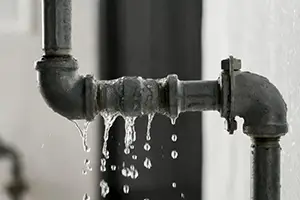
A condo shared-pipe plumbing issue occurs when a plumbing component serves multiple units or is part of the building’s common plumbing infrastructure. Examples usually include main water supply pipes, vertical plumbing stacks, shared drain lines, and common sewer lines.
In general, the condo association is responsible for maintaining and repairing common elements. If a shared pipe starts leaking, the association will typically cover the necessary repairs. That said, if the leaking pipe only serves a single unit, the unit owner may be responsible.
While location plays a role, it shouldn’t be the chief determining factor. The pipe’s function and the source of the leak should also be considered.
What is the Condo’s Responsibility for Water Leaks?
The condo’s responsibility for water leaks depends heavily on the water source and the failed component. A leaking roof, for example, generally involves a common element maintained by the condo. On the other hand, a failing washing machine hose inside a unit typically falls under the unit owner’s responsibility.
Virginia law also addresses repair responsibilities for condominium common elements. Section 55.1-1955 generally requires the condo association to maintain, repair, and replace common elements. It also addresses situations involving damage to units or common elements caused by certain conditions.
The condo’s governing documents are equally important. These documents establish specific maintenance obligations for both the association and individual unit owners.
That said, negligence can also come in. If an owner fails to maintain their plumbing, they may be responsible for the resulting damage. Similarly, if an association neglects a common plumbing fixture, it may have to cover the repair costs.
What Repairs are Condo Associations Responsible For?
Condominium associations generally maintain the building’s common elements and shared infrastructure. These components can affect multiple units or the building as a whole.
If the association repairs the source of a leak, it doesn’t necessarily mean that it must also repair every part of the affected unit. Water intrusion into the unit is generally covered by the unit owner’s insurance policy. This includes damaged flooring, furniture, or other personal belongings.
Leak From Upstairs Condo: Who Pays?
When there is a leak through the ceiling from upstairs, it is important to first identify the cause of the water intrusion.
An upstairs owner is not automatically responsible simply because the water came from their unit. The leak could have originated from a common plumbing system, roof, exterior wall, or another association-maintained component.
For example, suppose a pipe behind the upstairs unit’s wall serves several residences. The pipe leak is damaging the ceiling below. In this case, the association may be responsible for repairing the shared pipe, even though water intruded into the downstairs unit.
On the other hand, if an upstairs resident leaves a bathtub running and water overflows into the unit below, the situation is different. The upstairs owner may be liable for the resulting damage, as it constitutes negligence.
Who Pays for Water Damage Inside a Condo?
Repairs to the pipe and repairs to the resulting damage are two different things. The association may be responsible for fixing a common plumbing fixture, but damage to the unit’s interior may fall on the unit owner’s shoulders.
Board members should check their governing documents for guidance. Some CC&Rs and bylaws stipulate that the association is responsible for original building components inside the unit. The exact division of responsibilities can vary.
How Does Condo Insurance Help?
In a condo community, insurance comes in two general forms: the association’s master policy and individual owner policies. Both types of insurance can come in handy when repairing damages caused by plumbing issues.
The Condo Master Insurance Policy
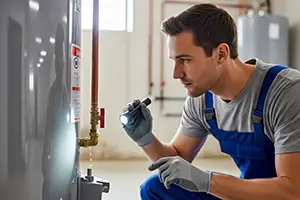
In general, the master policy covers the common elements and certain portions of the building. The exact coverage will depend on the policy itself and the association’s governing documents. Most of the time, this policy covers damage involving plumbing systems, but it is best to confirm with the condo’s agent.
The Unit Owner’s HO-6 Policy
An individual unit owner’s HO-6 policy generally covers personal property, liability, and certain interior portions of the unit. If a plumbing failure damages furniture, flooring, or other covered property, the unit owner’s policy may provide coverage.
That said, if the owner caused damage to another unit, a different policy may be necessary. Unit owners should have sufficient liability coverage for this claim.
Who is Responsible for Pipes in Condo Walls? Answered!
It is not always easy to determine who is responsible for pipes in condo walls. Board members must check the purpose, location, and source of the problem. They must also consider state laws and the governing documents. When in doubt, it is best to consult a legal professional or the condo management company.
Majerle Management, Inc. provides management services to HOAs and condo associations in Maryland. Call us today at (301) 220-1850 or contact us online to start your journey!
RELATED ARTICLES:
- HOA Directors And Officers Insurance: What Does It Protect?
- Neighbor Violating HOA Rules: Why A Clear Process Matters
- Do Small HOAs Still Need A Management Company?